Policy & Governance Outputs
DIGIPOL has produced a variety of policy-oriented findings. These materials translate the project’s findings into recommendations and governance-oriented interventions aimed at strengthening public-interest observability in digitally mediated information environments.
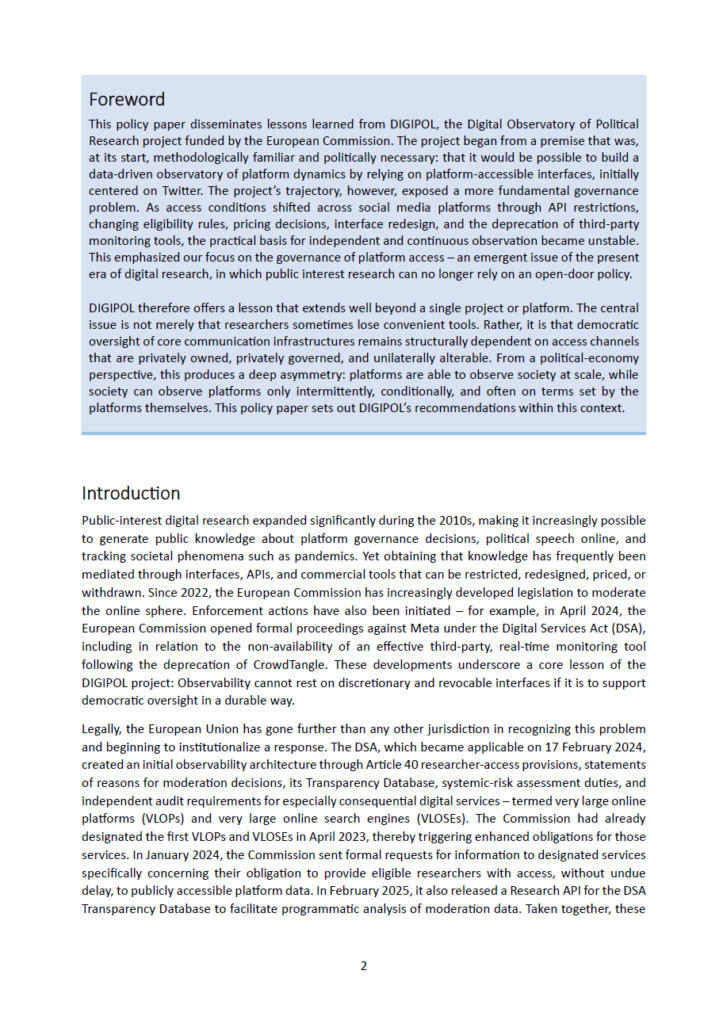
Policy Paper (D10)
The DIGIPOL Policy Paper is the project’s main policy-facing output. It translates the project’s findings into practical recommendations for strengthening public-interest observability in algorithmically shaped information environments, with particular attention to the governance conditions under which platforms can be independently observed, interpreted, and made accountable.
Open Letter (D11)
The Open Letter presents DIGIPOL’s main concerns and recommendations in a concise public-facing format. It distils the project’s governance argument into a more direct intervention oriented toward independent scrutiny, accountability, and stronger public-interest observability over major digital platforms.

Public & Citizen Material
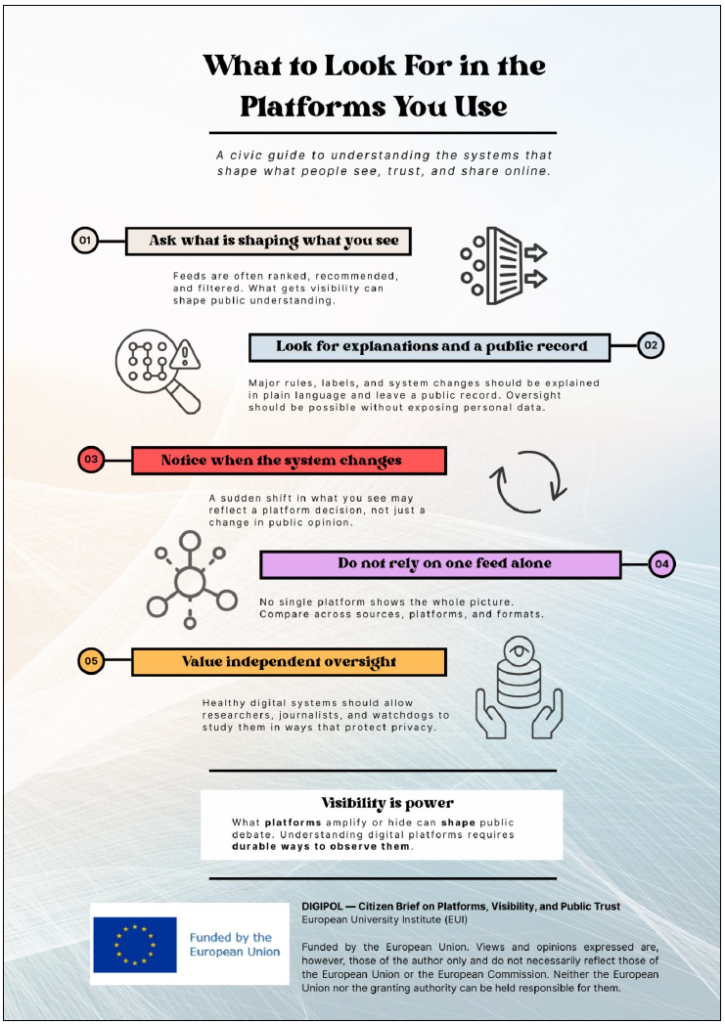
Citizen-Facing Infographic Leaflet
This leaflet was produced for public dissemination and used during DIGIPOL’s final public event. It introduces the issue of platform observability in a short and accessible format designed for citizens and wider public audiences.
Research Outputs
Alone and in the Dark: Sensemaking Through Online Platforms During the COVID-19 Pandemic
This chapter explores how awareness of disinformation, filter bubbles, and platform governance shaped online sensemaking during the COVID-19 pandemic. It communicates DIGIPOL’s reflexive approach to platforms, reflexivity, and the digital information ecosystem.

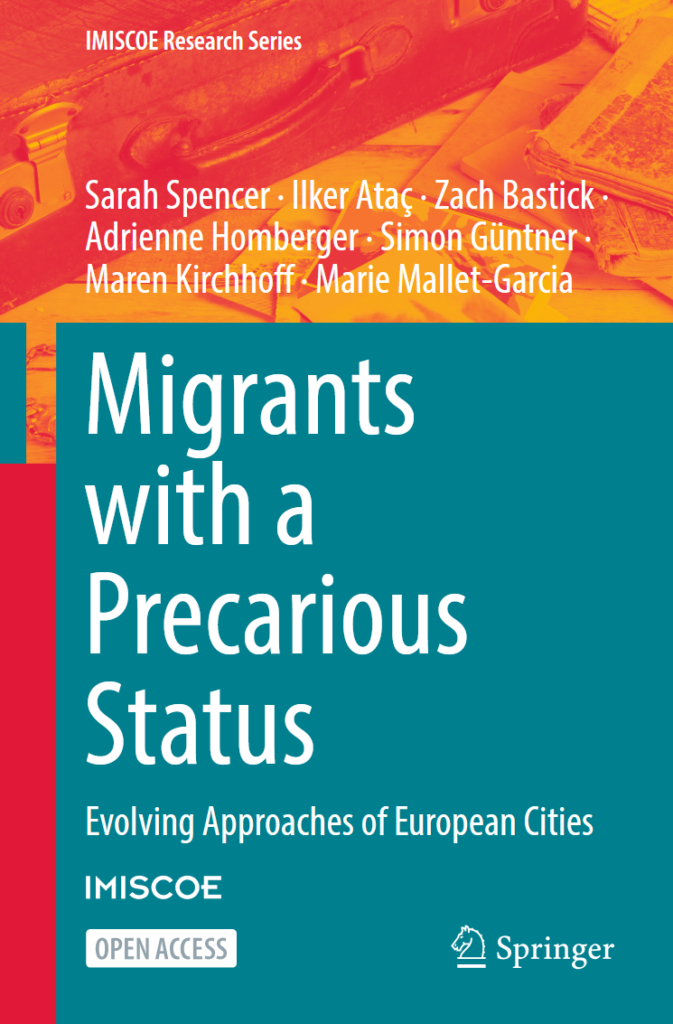
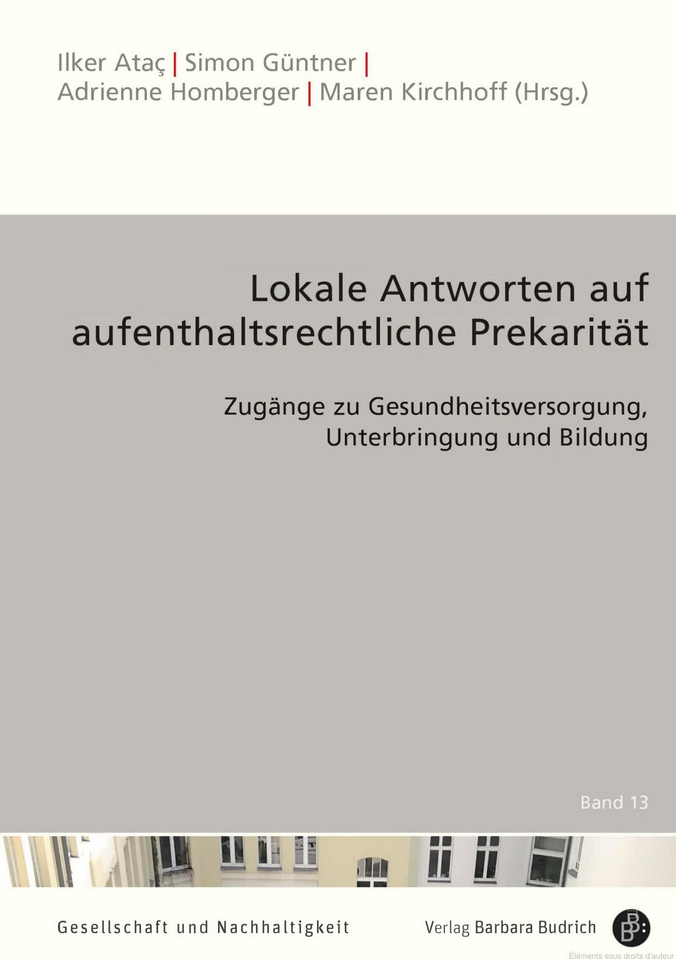
Migrants with a Precarious Status: Evolving Approaches of European Cities
This open-access book explores how municipal authorities and NGOs in Vienna, Frankfurt, and Cardiff respond to migrants with a precarious status, with particular attention to healthcare, education, housing, access to advice, and the situation of women. In DIGIPOL, it anchored the project’s selected migration-focused issue strand and contributed evidence on how governance structures shape inclusion, exclusion, and public-policy responses.
DIGIPOL Researcher Toolkit
This is a curated collection of key DIGIPOL texts on platforms, digital politics, and online visibility, bringing together core project insights for researchers.

Chapter 1: Selectively Inclusive: Local Responses to Precariousness in Terms of Residence Law in Cardiff, Frankfurt am Main and Vienna
This comparative chapter examines how three European cities respond to migrants with precarious residence status. It forms part of DIGIPOL’s migration-focused issue strand, through which questions of governance, vulnerability, and politically salient public issues were explored in a comparative frame.
Chapter 2: Cardiff: A City of Sanctuary for Migrants with Precarious Immigration Status?
Focusing on Cardiff, this chapter analyses local responses to migrants with precarious immigration status. Within DIGIPOL, it supported the project’s migration strand by examining how local institutions and civil-society actors respond to exclusion, precarity, and inclusion in practice.
Governance of Visibility: How Social Media Interfaces Allocate Power
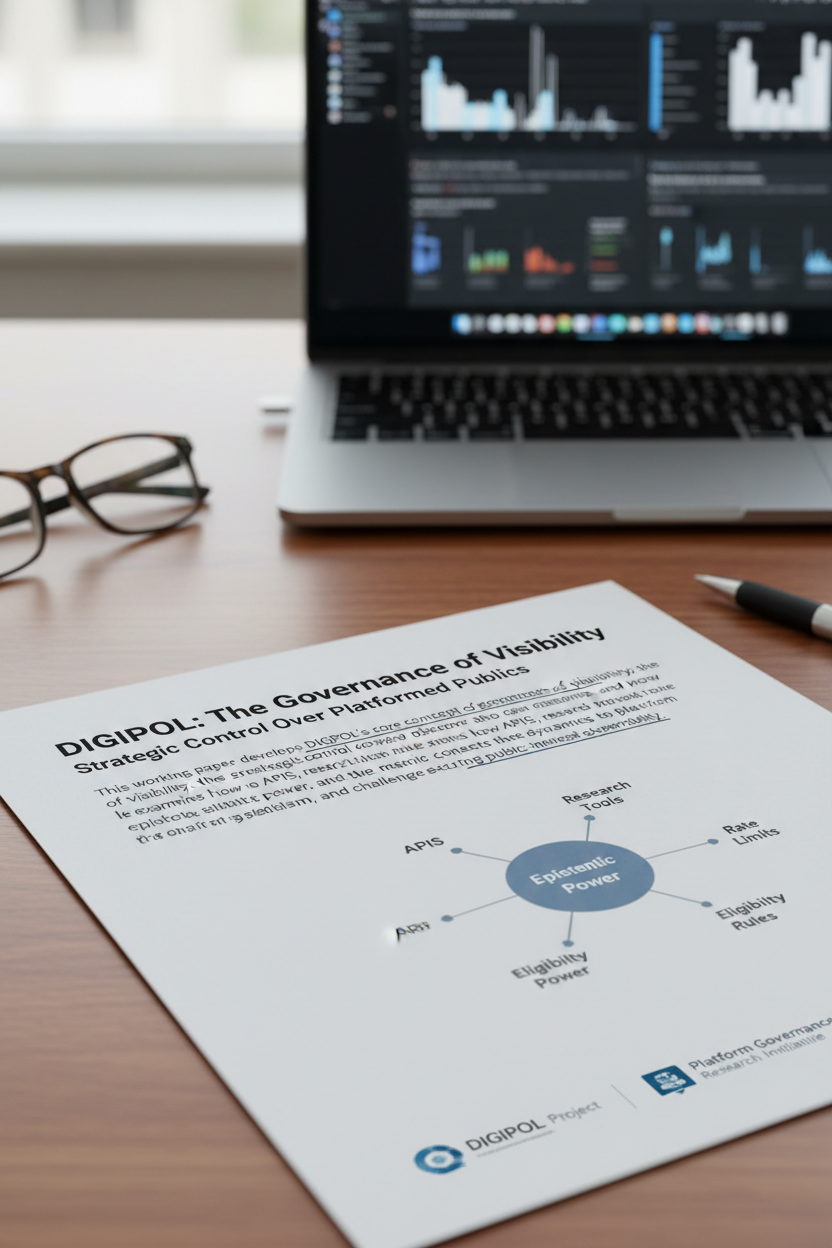
This working paper develops DIGIPOL’s core concept of the governance of visibility: the strategic control over who can observe, measure, and know platformed publics. It examines how APIs, research tools, rate limits, and eligibility rules redistribute epistemic power, and connects these dynamics to platform governance, digital capitalism, and the challenge of securing public-interest observability.